

🐕 Conservation Dogs of Phillip Island 🐧
Protecting Wildlife Through the Power of Scent Detection
Expanding the Team for a Fox-Free Future
Phillip Island Nature Parks, in partnership with the Penguin Foundation, has expanded its elite team of conservation detection dogs to safeguard the island's precious wildlife. With $50,000 from the Department of Energy, Environment and Climate Action Nature Fund, this expansion represents a major step forward in keeping Phillip Island a safe haven for threatened species.
Meet the New Team
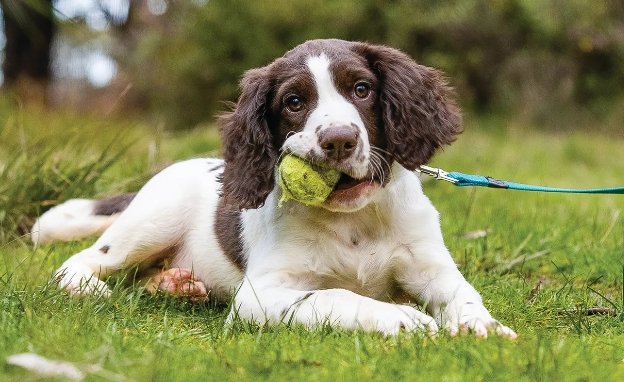
Zoe Kellett has joined the program as a trainee dog handler, working alongside Craig Bester, Senior Vertebrate Pest Officer with over 40 years of expertise in dog training and handling. Together, they're training the next generation of detection dogs:
Zoe's traineeship combines a Certificate III in Dog Behaviour and Training with hands-on mentorship, ensuring the program continues to deliver impactful conservation outcomes for years to come.
Watch the Conservation Dogs in Action
Detection dogs aren't just efficient; they are a cornerstone of the island's ecological and economic health.
⚡ Unmatched Efficiency
Conservation dogs find 75% of targets in 40 minutes, whereas human surveyors typically find only 20% in nearly 3 hours. Their nose for trouble allows for rapid response to incursions.
🛡️ Superior Detection Capabilities
Dogs possess 125-300 million olfactory receptors compared to just 5 million in humans. They can detect odors at concentrations as low as one part per trillion, making them far more effective than visual surveys or other detection methods.
💰 Economic Security
Phillip Island's nature-based tourism contributes hundreds of millions to the economy. Protecting the Penguin Parade ensures sustainable tourism jobs and revenue for the region.
🌱 Recent Success Stories
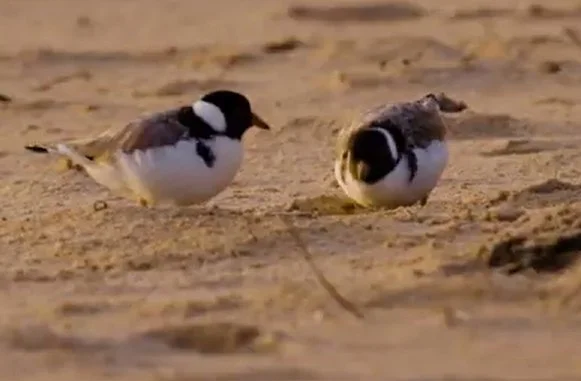
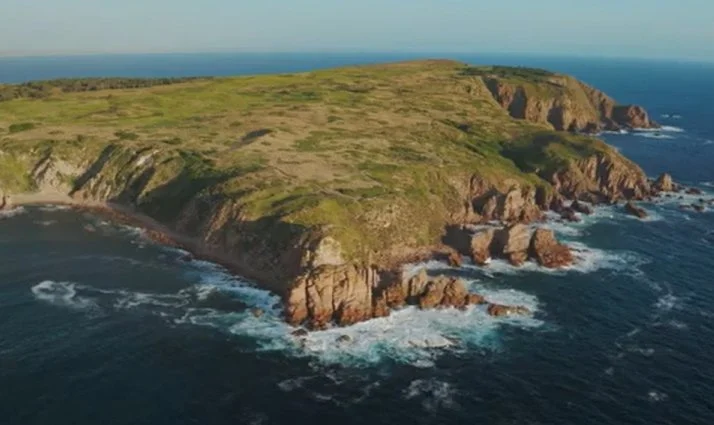
Because the island is fox-free, we have successfully reintroduced the Eastern Barred Bandicoot (extinct in the wild on the mainland) and the Bush Stone-curlew.
Conservation detection dogs undergo extensive, specialized training that combines natural instinct with learned behaviour. Each dog is carefully selected based on their drive, personality, physical structure, and obsessive desire to play.
The Training Journey
- 3-4 months: Basic target scent recognition
- 6-9 months: Environmental conditioning and species specifics
- 18-24 months: Full certification (e.g., NZ Conservation Dogs Programme)
- Ongoing: Continuous training and recertification required throughout working life
Training Costs: Professional conservation dog training programs range from $650-$950 for handler certification courses, with specialized detection training ranging from several thousand to over $25,000 for advanced capabilities.
First-Year Total Cost: $15,000 - $30,000+ per dog
- Training programs and handler certification
- Veterinary care: initial vaccinations, health checks, preventatives
- Specialized equipment: GPS collars, protective gear, first-aid kits, field equipment, transportation crates
- Vehicle Mods: Climate control, secure dog compartments, field deployment equipment
- Food and dietary supplements: high-quality nutrition for working dogs, joint support, performance supplements
- Housing and kennels: specialized facilities suitable for working dogs
- Insurance coverage: working dog liability and medical insurance
- Ongoing training materials, toys, and enrichment
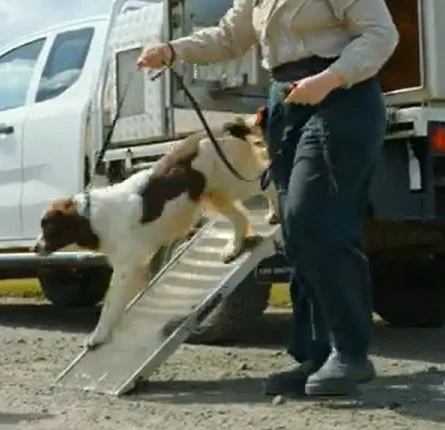
- Handler time commitment: Handlers and dogs train 2-3 times per week during initial training, with sessions lasting 20-30 minutes. Field deployments can involve weeks or months of continuous work in challenging terrain and weather conditions, with dogs walking up to 50km per week on Phillip Island.
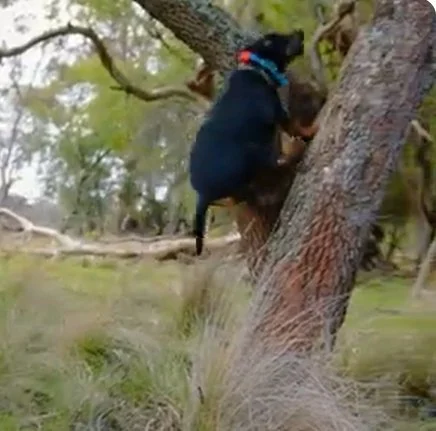
Phillip Island has a high density of Copperhead and Tiger snakes. Given the significant financial investment and emotional bond, all dogs undergo specialized snake aversion training to ensure their safety while working off-lead in dense bushland.
Ongoing Costs: annually for food, vet care, and recertification.
Understanding the enemy is key to understanding the value of these dogs:
- 🐾 2.6 billion native animals killed annually by foxes/cats in Australia.
- 🐾 300 million native animals killed by foxes alone each year including 88 million reptiles, 111 million birds, and 101 million native mammals.
- 🐾 34 mammal extinctions linked to these predators.
- 🐾 Foxes have been recorded killing Little Penguins, Malleefowl, and sea turtles.
- 🐾 1.7 million foxes currently inhabit 80% of mainland Australia
- 🐾 350+ species have been recorded as fox prey, including 40% of all land mammal species
- 🐾 Over 1,000 animals per square kilometer killed by foxes annually in some temperate forest regions
- 🐾 Foxes have been recorded killing little penguins, malleefowl, greater bilbies, loggerhead turtles, and many other threatened species
Support the Program
The Penguin Foundation aims to raise $40,000 to keep this vital program running.
Donate Now
🏝️ Phillip Island
🐧 Penguin Foundation ArticleRead the full story about the team expansion 🏝️ Phillip Island Nature Parks News
Official announcement and details about the program 🌿 Phillip Island Nature Parks
Discover more about wildlife conservation programs
🏛️ Government Info
📊 PestSmartData on feral impacts 🦊 Feral Cat and Fox
Managing predator impacts in Australia 📊 Impact of Feral Cats in Australia
Comprehensive research on predator impacts - PestSmart
🎥 Videos
📹 Conservation Dogs on Phillip Island (Milawul)Conservation detection dogs in action on Phillip Island 📹 Meet The Ferals
Feral cats - Australia's native animal annihilators 📹 'Rocky' the fox-tracking conservation dog making a big difference | ABC Australia
Meet Rocky and learn about conservation dogs in action
📖 Additional Reading
🦘 The Feral CatastropheAustralian Wildlife Conservancy's analysis of predator impacts 🐧 Protecting more than penguins on Middle Island | Warrnambool City Council
Learn about the Middle Island Maremma dog program